
English
Welcome to opelink.com
Industry News

Next-Generation PON Technology: Meeting the Growing Demand for Broadband Access

Views : 1423
Update time : 2024-06-03 10:56:17
Next-Generation Passive Optical Network (PON) technology is rapidly evolving to keep pace with the ever-increasing demand for high-speed broadband access. With the proliferation of connected devices, streaming services, and data-intensive applications, traditional PON systems are reaching their limits. As a result, researchers are exploring several candidate technologies, including 50G-PON, NG-PON3, and ultra-high-speed PON, to revolutionize the future of broadband connectivity.
 
50G-PON is one of the leading contenders in the race for next-generation PON technology. As its name suggests, 50G-PON offers a staggering 50 Gbps (Gigabits per second) downstream capacity, enabling lightning-fast internet speeds for end-users. This technology utilizes advanced modulation schemes and wavelength division multiplexing techniques to maximize the efficiency of fiber optic networks. With its impressive bandwidth capabilities, 50G-PON is poised to meet the growing demand for high-definition streaming, cloud computing, and virtual reality applications.
 
NG-PON3, another promising candidate, aims to provide a flexible and scalable solution for future broadband networks. NG-PON3 leverages Time and Wavelength Division Multiplexing (TWDM) to deliver multiple wavelengths over a single fiber, enabling the coexistence of different PON technologies on the same infrastructure. This technology offers a seamless upgrade path for existing PON deployments, ensuring backward compatibility while providing higher bandwidth and improved network efficiency. NG-PON3 is expected to play a key role in accommodating the exponential growth of internet traffic and the deployment of advanced services in the future.
 
Additionally, ultra-high-speed PON technologies are being explored to cater to the most demanding broadband requirements. These technologies aim to achieve astonishing speeds of up to 100 Gbps or even higher. They leverage advanced modulation techniques, such as discrete multi-tone modulation, to maximize the capacity of fiber optic networks. Although still in the research and development phase, ultra-high-speed PON holds great promise for meeting the needs of bandwidth-hungry applications, such as 8K video streaming, Internet of Things (IoT) devices, and real-time data transmission.
 
In conclusion, the future of broadband access lies in the hands of next-generation PON technologies. With the continuous growth in internet usage and the emergence of new bandwidth-intensive applications, it is crucial to explore and develop innovative solutions that can meet the evolving demands of end-users. Whether it is the 50G-PON, NG-PON3, or ultra-high-speed PON, these candidate technologies offer significant advancements in terms of capacity, scalability, and network efficiency. By embracing these next-generation PON technologies, service providers can ensure that their networks are future-proof and capable of delivering the high-speed broadband experience that users crave.
 

FAQs

1. What are the advantages of next-generation PON technology?
Next-generation PON technology offers several advantages, including higher bandwidth capacity, improved network efficiency, and scalability. These technologies enable faster internet speeds, support bandwidth-intensive applications, and provide a seamless upgrade path for existing PON deployments.
 
2. How does 50G-PON achieve its high-speed capabilities?
50G-PON achieves its high-speed capabilities through advanced modulation schemes and wavelength division multiplexing techniques. These techniques optimize the use of fiber optic networks, allowing for lightning-fast internet speeds of up to 50 Gbps.
 
3. What is the role of NG-PON3 in future broadband networks?
NG-PON3 plays a crucial role in future broadband networks by providing a flexible and scalable solution. It allows the coexistence of different PON technologies on the same infrastructure, ensuring backward compatibility while offering higher bandwidth and improved network efficiency.
 
4. How does ultra-high-speed PON technology cater to bandwidth-intensive applications?
Ultra-high-speed PON technology leverages advanced modulation techniques, such as discrete multi-tone modulation, to maximize the capacity of fiber optic networks. By achieving speeds of up to 100 Gbps or higher, these technologies can cater to bandwidth-intensive applications, such as 8K video streaming and real-time data transmission.
 
5. Are next-generation PON technologies compatible with existing PON deployments?
Yes, next-generation PON technologies, including 50G-PON, NG-PON3, and ultra-high-speed PON, are designed to be compatible with existing PON deployments. They offer a seamless upgrade path, ensuring backward compatibility while providing significant advancements in terms of capacity and network efficiency.
 
Keywords: next-generation PON technology, 50G-PON, NG-PON3, ultra-high-speed PON, broadband access, high-speed, bandwidth, internet speeds, network efficiency, scalability

 
Related News
Read More >>
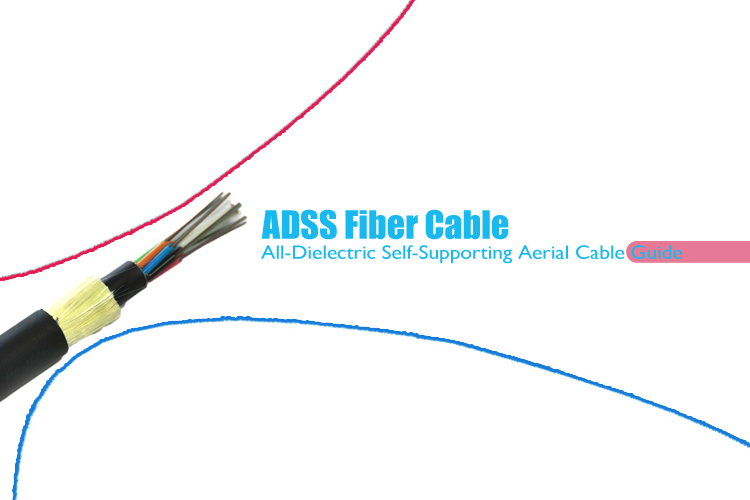
ADSS Fiber Cable: All-Dielectric Self-Supporting Aerial Cable Guide ADSS Fiber Cable: All-Dielectric Self-Supporting Aerial Cable Guide
May .19.2026
ADSS fiber cable guide: all-dielectric self-supporting design for high-voltage environments, span lengths up to 1000m, ECR glass yarn vs aramid yarn, IEC 60794-4 standards.
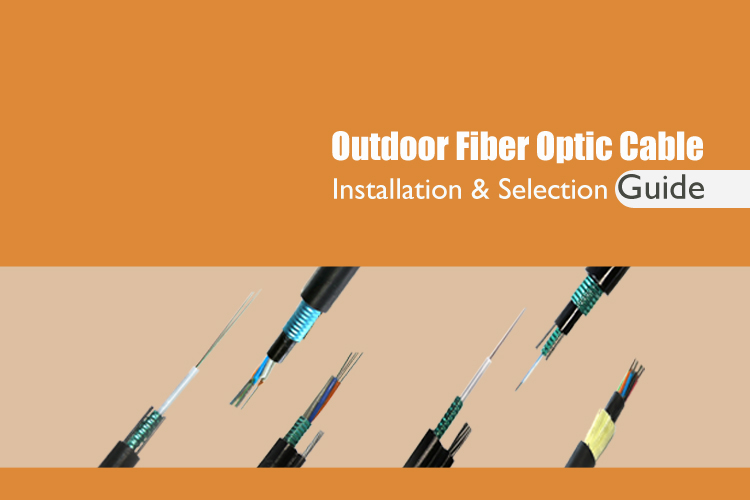
Outdoor Fiber Optic Cable: Installation & Selection Guide Outdoor Fiber Optic Cable: Installation & Selection Guide
May .12.2026
Outdoor fiber optic cable guide: loose tube vs tight buffer, direct burial vs aerial, UV-resistant jacket, temperature ratings. IEC 60794 standards and selection criteria for OSP deployments.
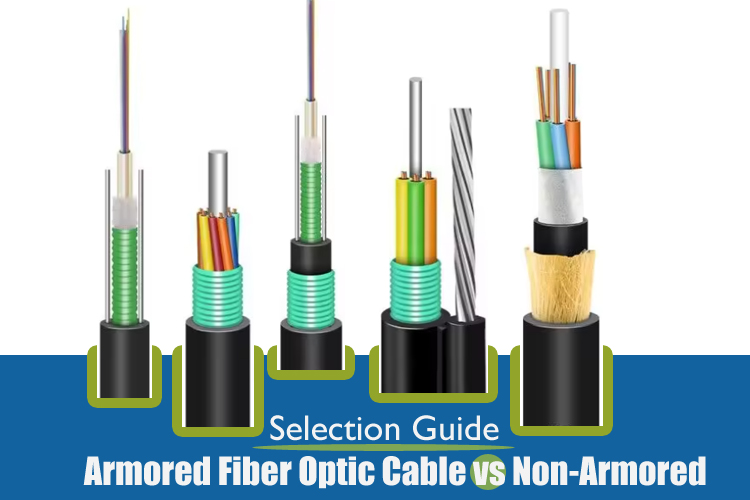
Armored Fiber Optic Cable vs Non-Armored: Selection Guide Armored Fiber Optic Cable vs Non-Armored: Selection Guide
May .06.2026
This article systematically reviews the structure, classification, and performance differences of two types of optical cables, providing a practical decision-making framework and cost-benefit reference for cable selection in different scenarios.
FTTH Drop Cable: The Ultimate Guide for Fiber to the Home Deployment FTTH Drop Cable: The Ultimate Guide for Fiber to the Home Deployment
Apr .28.2026
Complete FTTH drop cable guide: flat vs round, aerial vs underground, G.657.A2 specifications, SC/APC connectors. Installation tips for last-mile fiber to the home.