Optimizing Network Performance with Advanced AI Technology
Introduction
In today's data-driven world, network performance optimization is crucial to ensure seamless and efficient data transmission. One technology that has revolutionized the networking industry is AI-driven intelligent optical switch control. By harnessing the power of Artificial Intelligence (AI), optical switches can be intelligently controlled, leading to enhanced network performance and reliability. In this article, we will explore the application of AI technology in achieving intelligent control of optical switches and its impact on optimizing network performance.
1. The Role of AI in Intelligent Optical Switch Control
Traditional optical switches were often manually controlled, leading to limited adaptability and flexibility. However, AI-driven intelligent optical switch control has changed the game. By leveraging AI algorithms, optical switches can now be dynamically controlled, optimizing network paths, and traffic distribution in real-time. AI's ability to analyze vast amounts of data and learn from patterns enables optical switches to make intelligent decisions, ensuring efficient data routing and reducing latency.
2. Benefits of AI-Driven Intelligent Optical Switch Control
2.1 Enhanced Network Performance
One of the primary advantages of AI-driven intelligent optical switch control is the significant improvement in network performance. AI algorithms continuously monitor network traffic, identifying bottlenecks, and dynamically reconfiguring optical switches to bypass congested routes. This results in reduced packet loss, lower latency, and faster data transmission, providing users with a seamless and lag-free experience.
2.2 Increased Network Reliability
AI-driven intelligent optical switches also play a crucial role in enhancing network reliability. By monitoring the network's health in real-time, AI algorithms can quickly detect faults or failures and reroute traffic to functional paths, minimizing downtime and ensuring uninterrupted connectivity.
2.3 Efficient Resource Utilization
Optical networks typically require a substantial investment in infrastructure and resources. AI-driven intelligent optical switch control optimizes resource allocation, ensuring that network resources are efficiently utilized. This leads to cost savings and a more sustainable network operation.
3. AI Algorithms in Optical Switch Control
3.1 Machine Learning Algorithms
Machine learning algorithms, such as supervised learning, unsupervised learning, and reinforcement learning, have been applied to intelligent optical switch control. These algorithms can predict network traffic patterns, identify potential network issues, and optimize network paths accordingly.
3.2 Deep Learning Techniques
Deep learning techniques, particularly deep neural networks, have shown promising results in achieving intelligent optical switch control. These complex networks can analyze massive amounts of network data, enabling accurate and timely decision-making for optimum network performance.
4. Real-World Applications
4.1 Data Centers
In data centers, where rapid data processing is critical, AI-driven intelligent optical switch control can streamline network traffic and reduce data transfer delays, leading to improved efficiency and reduced operational costs.
4.2 Telecommunications
Telecommunication companies can benefit from AI-controlled optical switches to dynamically adjust network configurations based on changing traffic patterns, ensuring consistent and high-quality service for their customers.
4.3 Smart Cities
In smart city implementations, AI-driven intelligent optical switch control can optimize network resources to support various applications such as traffic management, public safety, and environmental monitoring.
Conclusion
AI-driven intelligent optical switch control has emerged as a game-changer in optimizing network performance. By utilizing advanced AI algorithms and deep learning techniques, optical switches can now make intelligent decisions in real-time, resulting in enhanced network efficiency, reliability, and resource utilization. As technology continues to evolve, AI's role in optical switch control is expected to further revolutionize the networking industry, making it more adaptive, efficient, and user-centric.
FAQs
Q1: How does AI technology enhance optical network performance?
AI technology enhances optical network performance by dynamically controlling optical switches, optimizing network paths, and distributing traffic intelligently. It can identify and rectify network bottlenecks, reducing packet loss, latency, and improving data transmission speed.
Q2: Can AI-driven optical switch control detect and prevent network failures?
Yes, AI-driven optical switch control can detect network failures in real-time by monitoring the network's health. It can reroute traffic to functional paths to minimize downtime and ensure uninterrupted connectivity, thus enhancing network reliability.
Q3: What are the benefits of using deep learning in optical switch control?
Deep learning techniques, like deep neural networks, are beneficial in optical switch control due to their ability to analyze massive amounts of network data. They can make accurate and timely decisions, leading to optimized network performance and resource utilization.
Q4: How does AI optimize resource utilization in optical networks?
AI optimizes resource utilization in optical networks by dynamically allocating resources based on real-time traffic demands. It ensures that network resources are efficiently used, leading to cost savings and sustainable network operation.
Q5: Can AI-driven intelligent optical switch control benefit small-scale networks?
Yes, AI-driven intelligent optical switch control can benefit small-scale networks by enhancing network performance, reliability, and resource utilization. It can be implemented in data centers, telecommunications, and smart city applications, irrespective of the network size.
Keywords: AI-driven, intelligent optical switch control, AI technology, network performance, optical switches, AI algorithms, deep learning, resource utilization, real-world applications.

 OPGW Cable Selection Guide for High-Voltage Transmission Lines
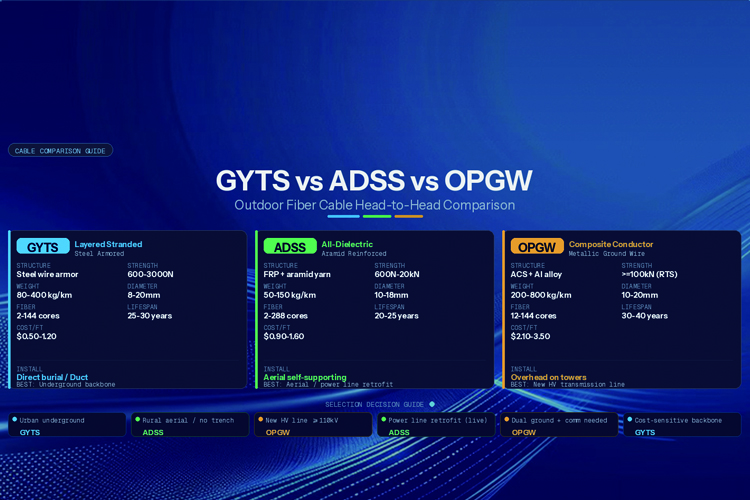 GYTS vs ADSS vs OPGW: Outdoor Fiber Cable Comparison
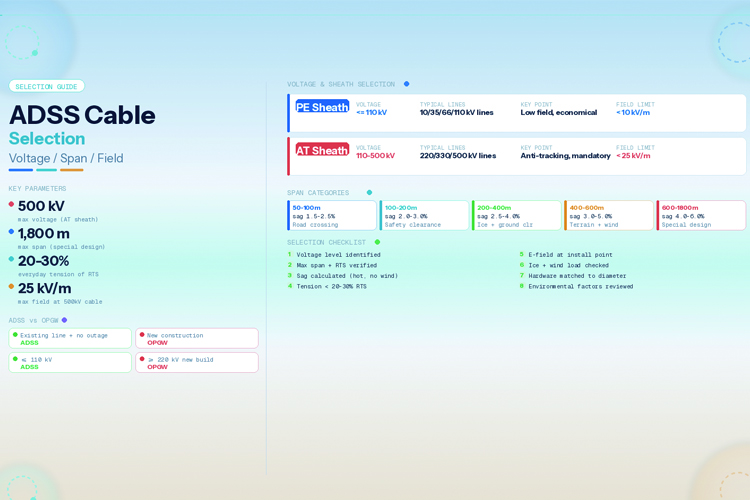 ADSS Cable Selection Guide for Power Lines: Voltage, Span & Environment
 Outdoor Fiber Optic Cable Installation Guide: Aerial, Duct & Direct Burial Methods


